
ChatGPT vs Perplexity vs Claude (2026 Comparison Guide)
September 2, 2025
September 2, 2025
May 7, 2026
May 7, 2026
Three names dominate the AI space right now: ChatGPT from OpenAI, Claude from Anthropic, and Perplexity AI.
All three promise to speed up your work, but they shine in different areas. ChatGPT is the all-rounder, Claude is the best for long and nuanced drafting, and Perplexity is unmatched when you need research with citations.
Choosing the right one is less about “which is the smartest” and more about “which fits the way you work.”
If you’re new to this world, you might want to first check out our explainer on the difference between LLMs and generative AI. It sets the stage for understanding why ChatGPT, Claude, and Perplexity behave differently in practice.
TL;DR
- ChatGPT (Plus/Pro): Best balance for writing, coding, and agent features. Now running GPT-5.4 (released March 2026), with five reasoning effort levels, a 1M-token context, and a Computer Use API for agentic workflows.
- Claude (Pro): Handles very long documents and nuanced long-form writing better than anyone. Latest model: Claude Opus 4.7 (released April 16, 2026), with stronger agentic coding, high-resolution vision, and self-review. Anthropic also has an even more capable model, Claude Mythos Preview, but it’s restricted to a small set of partners and not publicly available.
- Perplexity (Pro): Best for research with citations. Now offers Model Council (runs three frontier models in parallel), Perplexity Computer (an agentic tool that orchestrates 19 models), and the Comet browser.
- Pricing has fragmented since last year — there are now budget tiers with ads ($8 ChatGPT Go) and premium tiers up to $200/month (Perplexity Max, ChatGPT Pro).
Why Compare ChatGPT, Perplexity, and Claude?
You might be wondering: why not just stick with ChatGPT, since it’s the household name? The truth is, competitors like Claude and Perplexity have carved out niches that matter for remote professionals.
- ChatGPT remains strong for general writing, coding, and creative prompts. Its Plus and Pro tiers also unlock browsing, file analysis, custom agents, and now native computer use.
- Claude has the largest context window and produces thoughtful, structured writing — useful for long documents like research reports or legal texts.
- Perplexity used to be summarized as “ChatGPT + Google,” but that framing no longer captures it. Today, it runs Model Council (three models in parallel for side-by-side comparison), Perplexity Computer (a cloud-based agentic worker), and Comet (its own AI browser) — alongside its core search-with-citations product.
Remote professionals — whether you’re a freelancer writing reports, a consultant reviewing client docs, or a startup founder keeping up with research — benefit most when they understand how each tool fits into their workflow.
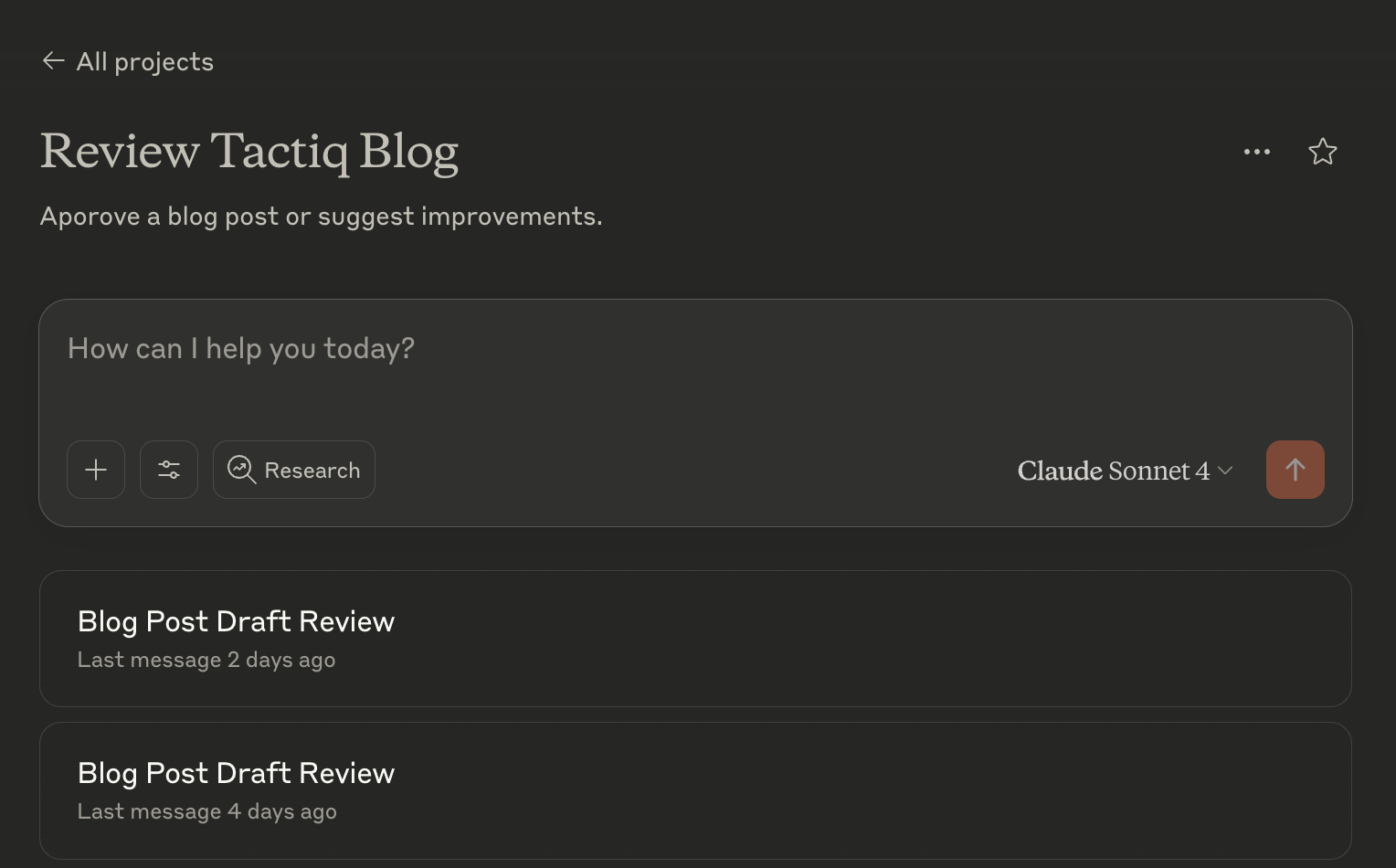
I personally use both ChatGPT and Claude. I use ChatGPT for a lot of non-work projects like homeschooling and gardening. On the other hand, I use Claude Projects for creating content briefs.
Pro Tip 💡: If you need a simple workflow to summarize a transcript, try Tactiq instead. It can automatically transcribe meetings and then turn them into summaries and action items, all in one place.
Pricing & Plans: What You Actually Pay
Pricing used to be simple — $20/month across the board. In 2026, that’s no longer true. All three companies now offer everything from cheap ad-supported tiers to $200+/month power-user plans. For a full breakdown, including DeepSeek, see our detailed AI pricing comparison.
ChatGPT (OpenAI)
- Free plan: Now runs GPT-5.3 (not the old GPT-3.5). In the US, the free tier carries ads (since February 9, 2026).
- ChatGPT Go ($8/month): Budget paid tier with more usage than Free, file uploads, image creation, and longer memory. Still ad-supported in the US. Missing the advanced features (Sora, Codex, Agent Mode, Deep Research) that make Plus worthwhile.
- ChatGPT Plus ($20/month): Ad-free. Includes GPT-5.4 Thinking, Deep Research, Sora, Codex, Agent Mode, voice, image generation, and file analysis. Still the sweet spot for most people.
- ChatGPT Pro ($100/month): New tier launched April 9, 2026. Adds 5× more Codex usage than Plus and access to the same model suite as the $200 plan. Designed for heavy Codex users — and explicitly priced to compete with Claude Max.
- ChatGPT Pro ($200/month): Now the top consumer tier rather than the only Pro option. 20× Plus usage, max context, and full access to OpenAI’s most powerful tools.
Perplexity AI
- Free plan: Unlimited basic searches plus a small daily quota of advanced model searches.
- Perplexity Pro ($20/month): Up to 20 deep research queries per day, file uploads, model selector (GPT-5.4, Claude Opus 4.6, etc.), image and video generation, and Labs access.
- Perplexity Max ($200/month): Unlimited Labs, Perplexity Computer (10,000 monthly credits for agentic tasks across 19 models), priority access to frontier models, the Comet AI browser, and Sora 2 Pro video generation. This is where Perplexity has invested heavily in 2026, and it changes the calculus for heavy users.
- Enterprise Pro ($40/seat/month): Team management and centralized billing.
- Enterprise Max ($325/seat/month): Enterprise-grade security plus Max-tier access to Computer, Comet, and frontier models.
For step-by-step instructions on making the most of Perplexity’s Pro tier, check our guide on using Perplexity for AI research.
Claude (Anthropic)
- Claude Free: Strong free tier with daily message limits; includes file analysis and a large context window.
- Claude Pro ($20/month): 5× more usage, early access to features like Projects/Knowledge Bases, and the ability to choose between models.
- Claude Max ($100+/month): For high-volume professional use; the higher tier sits at $200/month.
ChatGPT vs Claude vs Perplexity: Key Features Compared
1. Model Strength & Freshness
- ChatGPT runs GPT-5.4 across Plus and Pro (released March 2026). It introduces five-level reasoning effort control, a 1M-token context window, and — most significantly for builders — a Computer Use API that lets the model operate software directly. (Note: not everyone is in love with GPT-5! I personally find the heavier reasoning modes slow.)
- Claude is now on Opus 4.7 (released April 16, 2026), with meaningful gains in agentic coding, high-resolution vision (up to ~3.75 megapixels, roughly 3× the previous Claude limit), and self-verification — the model checks its own work before reporting back. Anthropic also has a more capable model called Claude Mythos Preview, but it’s restricted to a small set of partners under Project Glasswing and isn’t publicly available, so it doesn’t factor into a normal buying decision.
- Perplexity has a hybrid approach. It has its own proprietary models, but Pro and Max subscribers can also use GPT-5.4 and Claude Opus 4.6 inside Perplexity. Deep Research runs on Opus 4.6.
2. Research and Citations
This is still Perplexity’s superpower. When you ask a question, it not only answers but also shows you the sources. For remote professionals writing reports or validating market data, this feature alone can save hours.
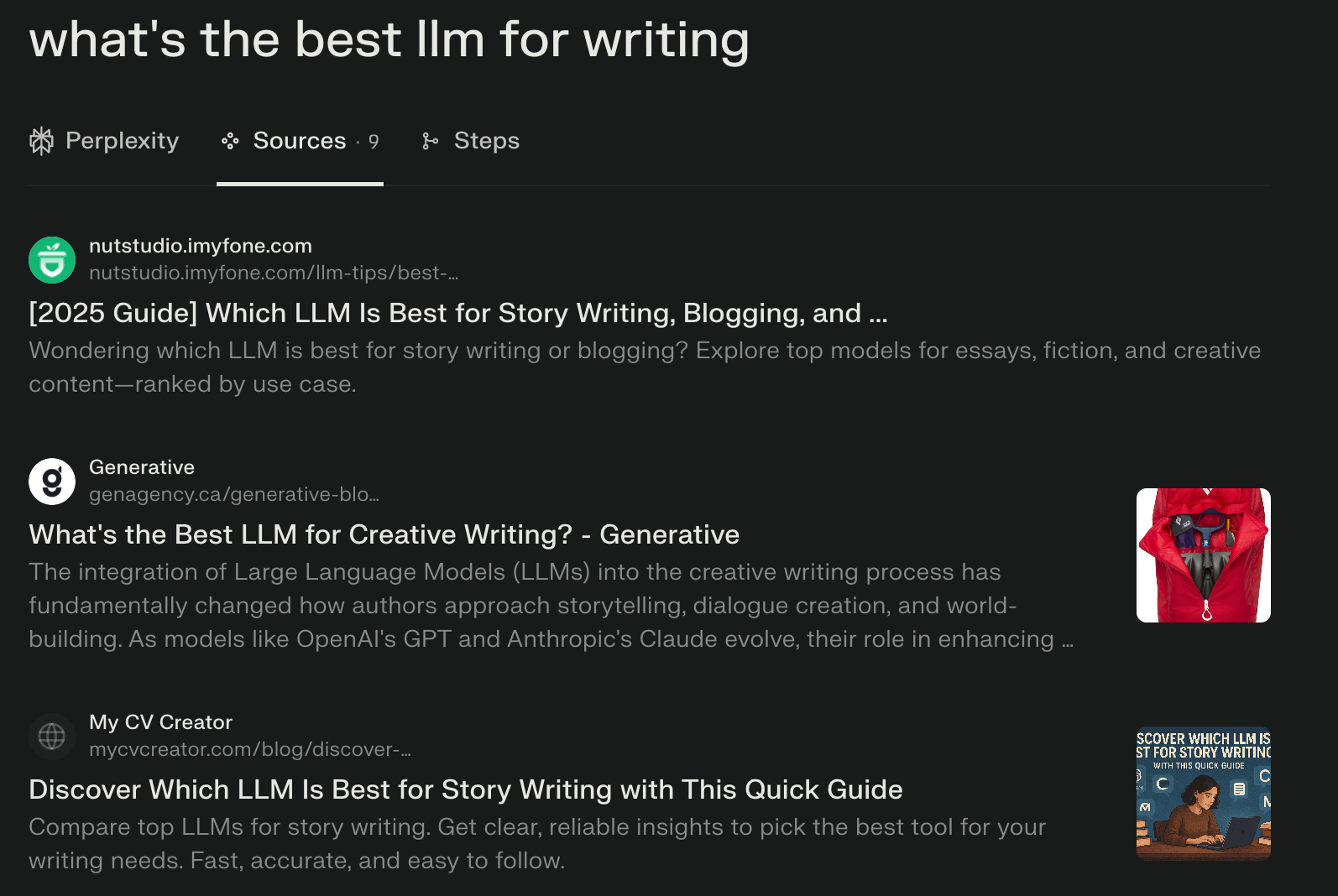
ChatGPT is catching up with research features in Pro, but it doesn’t default to sourcing unless you explicitly enable browsing. Claude does a good job synthesizing information, but it isn’t built around citations.
For a direct head-to-head, see our deeper ChatGPT vs Perplexity analysis.
3. File Uploads and Long Context
- Claude Pro handles entire PDFs, meeting transcripts, or even book chapters. If you drop in a 50-page strategy deck, you can summarize and discuss it coherently. Opus 4.7 supports a 1M-token context window at standard pricing, and the same window is available in preview on Sonnet 4 and 4.5 — putting Claude at parity with the best long-context offerings on the market while still leading on reasoning quality over those long inputs.
- Perplexity Pro allows you to upload PDFs, text files, and images for analysis. The difference: it can cite sources within your document.
- ChatGPT Plus/Pro also supports file uploads and now offers a 1M-token context on Pro tiers, but Claude’s combination of long context and document reasoning still gives it the edge for ultra-long content.
4. Multimodal Features
- ChatGPT: Voice input, image understanding, image generation (ChatGPT Images 2.0), Sora video, plugins, and agents — including the new Computer Use API for automating software.
- Perplexity: Image generation, video generation in Pro/Max, plus three major 2026 additions:
- Perplexity Computer (launched February 2026): A cloud-based agent that orchestrates 19 different AI models to handle multi-step workflows autonomously. Available on Max and Enterprise Max.
- Comet: Perplexity’s own AI browser, originally a Max-exclusive perk and now a core part of the agentic stack.
- Model Council: Let's Max subscribers run three frontier models in parallel and compare their outputs side by side — useful for high-stakes research where you want to triangulate answers.
- Claude: Opus 4.7 substantially improved vision (high-resolution image support, more reliable diagram and screenshot understanding) and ships alongside Claude Design (April 2026) for visual deliverables. For non-developer agentic work, Claude Cowork (launched January 2026) brings Claude Code’s agentic capabilities to a desktop GUI for non-technical users — more on that below.
As someone who has carpal tunnel syndrome, the speech-to-text feature in ChatGPT is super helpful. I can create briefs and even write an entire article without typing.
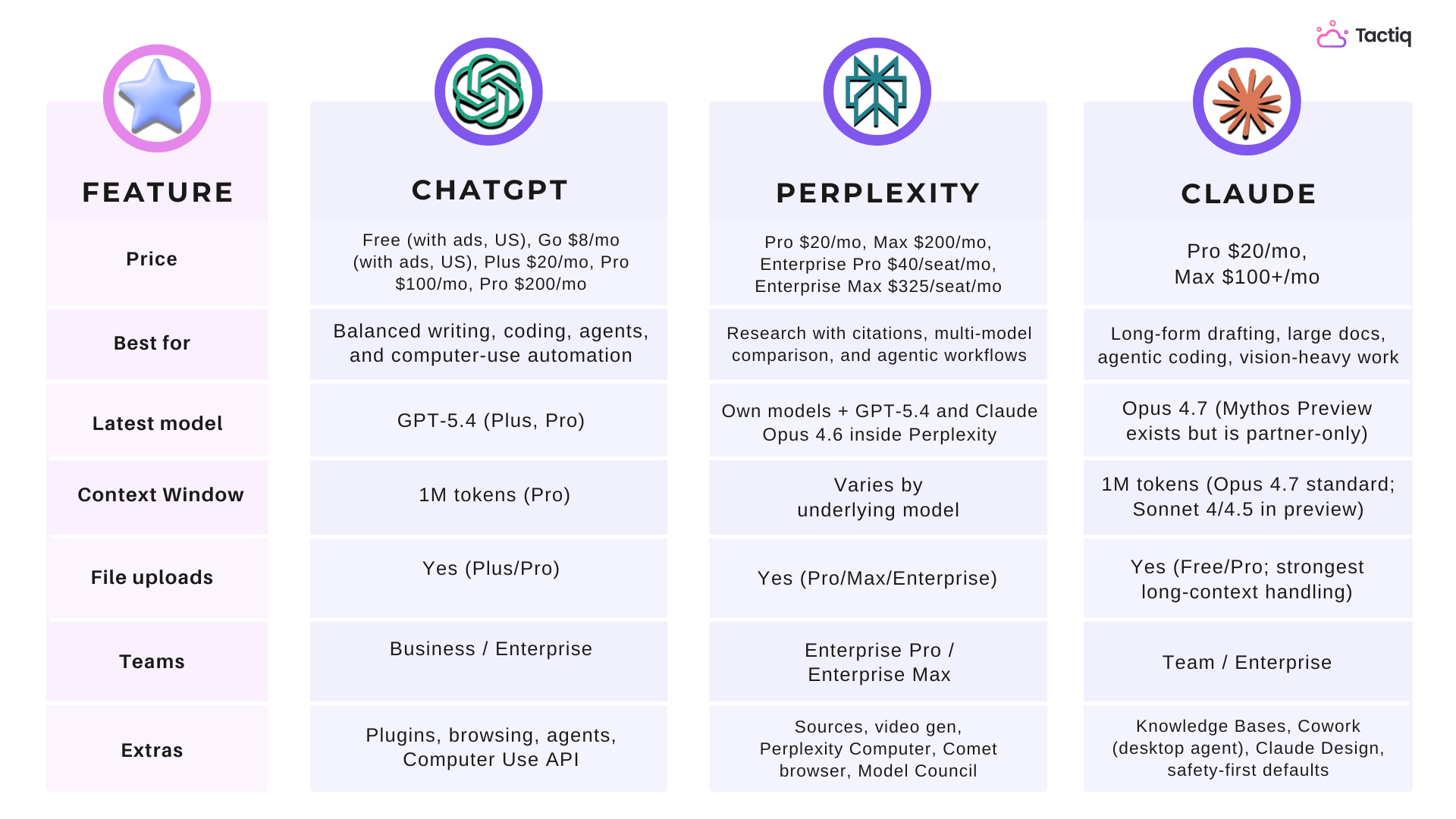
Comparison Table
Which AI Tool Is Right for You in 2026?
- If you need citations and fact-checked research, go with Perplexity Pro — and consider Max if you want Model Council and Computer for serious research workflows.
- If you’re processing long documents daily — legal contracts, research papers, or meeting transcripts — choose Claude Pro running on Opus 4.7.
- If you want a balanced assistant for everything from drafting proposals to coding, ChatGPT Plus/Pro remains the safest choice. GPT-5.4’s Computer Use API is also a real new reason to pick ChatGPT if your work involves automating software or building agentic workflows.
For those who are already curious about other AI comparisons, check out our guide to Grok vs ChatGPT.
How They Fit Into Your Meeting Workflow
Remote professionals spend too much time in meetings and even more time summarizing them. Here’s how these AIs slot in:
- Claude Pro: Drop the entire transcript and get a structured summary plus action items. With Opus 4.7’s 1M-token context, even multi-hour transcripts fit comfortably.
- Claude Cowork: It can take meeting notes and source files to automatically generate recaps, follow-ups, and status updates—making it one of Claude’s most relevant additions for workflow tasks this year.
- Perplexity Pro: Perfect if you want your meeting notes linked to external sources or industry news.
- ChatGPT Pro: Great for turning transcripts into polished emails, follow-up drafts, or code snippets for product discussions.
Instead of copying and pasting transcripts, use Tactiq to capture meetings and export them directly into your chosen AI tool. This avoids token limits and gives you a clean starting point.
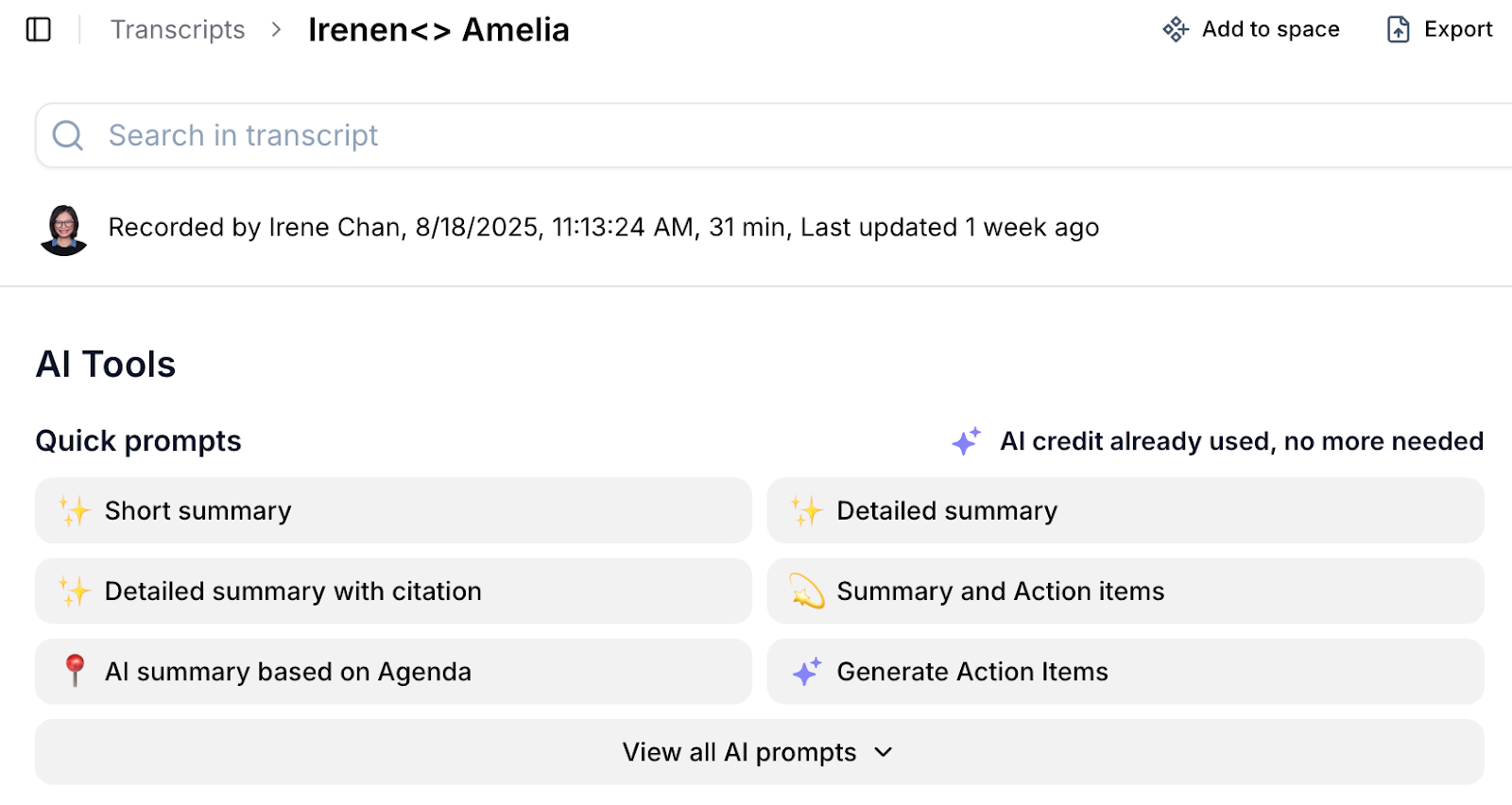
For example, I don’t use ChatGPT to transcribe meetings and summarize the transcription. I use Tactiq for that automatically. However, I do use ChatGPT to convert the transcript into various types of content, such as LinkedIn articles and blog posts.
{{rt_cta_ai-convenience}}
Wrapping Up: The Choice Is Yours
For remote professionals, there’s no one-size-fits-all. The smartest approach is to match the AI to your task.
And remember: these tools aren’t mutually exclusive. Many remote workers subscribe to two (or even all three) to cover different workflows. The math has changed, though. Stacking all three at the entry Pro level (Claude $20 + ChatGPT Plus $20 + Perplexity Pro $20) is still around $60/month — manageable.
But once premium tiers enter the picture, the bill climbs fast: Claude Max ($100 or $200) + ChatGPT Pro ($100 or $200) + Perplexity Max ($200) can push the combined cost to $440+/month. Start with the $20 plans before stacking — only step up to Max/Pro tiers where you can clearly point to the workflow paying for itself.
The real productivity boost still comes when you pair these tools with meeting transcription tools like Tactiq, so you’re never stuck turning raw transcripts into summaries again.
It depends on your workflow. ChatGPT is the best all-rounder for writing, coding, and agent features. Claude shines for long-form documents, while Perplexity is unmatched for research with citations.
Perplexity Pro is the strongest choice if you need citations, fact-checked answers, and the ability to query live web data. Perplexity Max adds Model Council, which lets you run three frontier models in parallel and compare answers — useful for high-stakes research.
Yes. Claude Opus 4.7 supports a 1M-token context window, with the same size in preview on Sonnet 4/4.5—enough for very long PDFs or transcripts in one pass. With improved self-verification and reasoning, it remains a top choice for complex, long-document tasks.
All three offer free plans (ChatGPT Free has ads in the US). Paid tiers center around $20/month: ChatGPT Plus, Claude Pro, and Perplexity Pro. Cheaper and higher tiers range from $8 to $200+ monthly, with enterprise plans costing up to $325 per seat.
Many remote professionals use multiple tools—ChatGPT for coding/writing, Claude for long documents, and Perplexity for research—since combining them improves workflow coverage. But stacking premium plans can exceed $440/month, so start with $20 tiers and upgrade only if needed.
Related articles








Want the convenience of AI summaries?
Try Tactiq for your upcoming meeting.
Want the convenience of AI summaries?
Try Tactiq for your upcoming meeting.
Want the convenience of AI summaries?
Try Tactiq for your upcoming meeting.