
Clear Microsoft Teams Cache for Better Performance
September 13, 2024
September 13, 2024
June 12, 2025
June 12, 2025

If Microsoft Teams has been running slowly or displaying outdated information, it might be time to clear the cache. Regular cache maintenance can help improve performance and ensure that you’re always working with fresh data.
In this guide, we'll walk you through the steps to clear your Teams cache for a faster, smoother experience. For more insights into Microsoft Teams, check out these related articles: Top Microsoft Teams Alternatives, Microsoft Teams vs Google Meet: A Detailed Comparison, and Zoom vs Microsoft Teams: Pros and Cons for Businesses.
What is Microsoft Teams Cache?
Microsoft Teams cache refers to temporary data that the app stores on your device. This data helps Teams run faster by keeping frequently used information handy. However, too much cache can slow down the app.
Types of Cache Stored by Teams:
- Application Cache: It stores frequently used scripts and images.
- Blob Storage: This type contains large binary objects like user photos and document previews.
- Databases: Teams uses this to store local copies of chat history and other data.
- GPU Cache: This holds graphical data to help render the user interface smoothly.
Why Clear Microsoft Teams Cache?
Clearing the Microsoft Teams cache can solve many problems and improve overall performance. Understanding why you should do it and how often can help you keep Teams running smoothly.
Common Issues Caused by Cache Build-Up:
- Slow Performance: Over time, cache files accumulate and can slow down the app's performance.
- Outdated Information: Stored cache might cause Teams to display old user profile pictures or outdated data.
- Login Issues: Cache build-up can sometimes prevent you from logging in or cause repeated sign-in prompts.
- Crashes and Freezes: Excessive cache can make the app unstable, leading to frequent crashes and freezes.
Frequency of Clearing the Cache for Optimal Performance:
- Monthly: For regular users, clearing the cache once a month is a good practice.
- Weekly: If you use Teams heavily, consider clearing the cache weekly to maintain optimal performance.
- When Issues Arise: Always clear the cache if you notice performance issues, outdated data, or login problems.
Clearing the Microsoft Teams cache is a simple yet effective way to keep the app running efficiently. Regular maintenance can prevent many issues and ensure you always have a smooth experience.
How to Clear Microsoft Teams Cache on Windows
Classic Microsoft Teams
Steps to Close Teams and Access the Cache Directory:
- Close Teams: Ensure the Microsoft Teams app is not running. Right-click the Teams icon located in the taskbar and select "Quit."
- Open Run Dialog: Press the Windows key + R to open the Run dialog box.
- Access Cache Directory: Type %appdata%\Microsoft\Teams in the Run dialog box and click "OK."
- Select Files: In the opened directory, select all files and folders. To do this quickly, press Ctrl + A.
- Delete Files: Press Delete on your keyboard or right-click and choose "Delete."
- Restart Teams: Open Microsoft Teams again. Note that it may take a bit longer to start as it rebuilds the cache.
- Sign In: If prompted, sign in to Teams with your credentials.
New Microsoft Teams
Method 1: Reset the App
Navigating to the Settings and Resetting the App:
- Open Settings: Type "settings" in the Windows search box and select the Settings app.
- Find Teams: Go to "Apps" > "Installed apps" and find "Microsoft Teams."
- Advanced Options: Click the three dots next to Microsoft Teams and select "Advanced options."
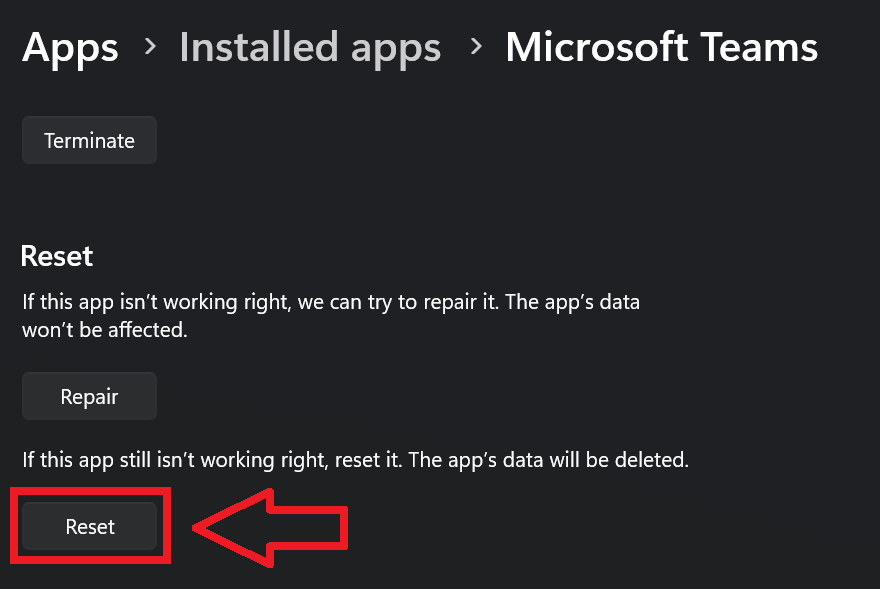
- Reset: Scroll down to the "Reset" section and click "Reset."
Impact on Personalization Settings:
- Data Deletion: Resetting the app will delete all app data, including any personalization settings.
- Reconfiguration: You will need to reconfigure your settings and preferences after the reset.
Method 2: Manually Delete Cache Files
Accessing the Cache Directory via Run Dialog:
- Close Teams: Right-click the Teams icon in the taskbar and select "Quit" to ensure it’s not running.
- Open Run Dialog: Press the Windows key + R to open the Run dialog box.
- Navigate to Cache Folder: Type %userprofile%\appdata\local\Packages\MSTeams_8wekyb3d8bbwe\LocalCache\Microsoft\MSTeams and click "OK."
- Select All Files: In the opened folder, press Ctrl + A in the keyboard to select all files and folders.
- Delete Files: Press the Delete key or right-click and choose "Delete."
- Restart Teams: Open Microsoft Teams again. As with the classic version, it may take longer to start as it rebuilds the cache.
By following these steps, you can clear the Microsoft Teams cache on Windows, whether you're using the classic or the new version of Teams. Regularly clearing the cache helps maintain optimal performance and reduces the likelihood of encountering errors.
How to Clear Microsoft Teams Cache on macOS
Classic Microsoft Teams
Closing Teams and Accessing Terminal:
- Quit Teams: Ensure Microsoft Teams is not running. Right-click the Teams icon in the dock then "Quit."
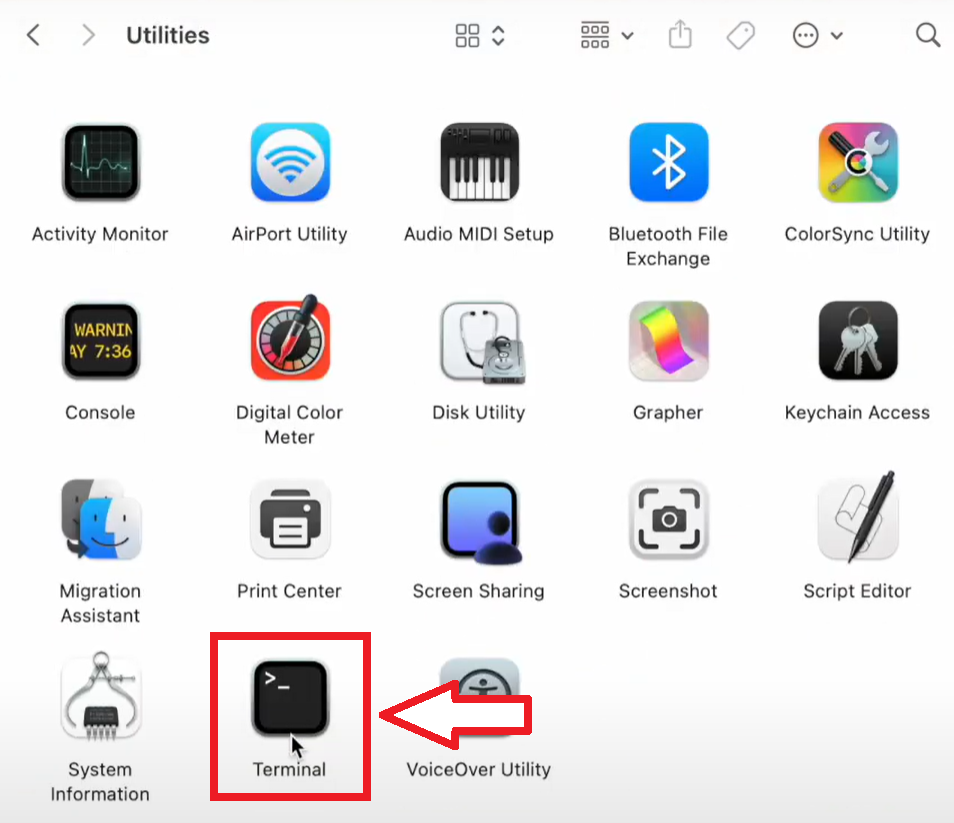
- Open Terminal: Access Terminal by navigating to Finder > Applications > Utilities > Terminal. Double-click to open Terminal.
- Enter Command: In Terminal, type rm -r ~/Library/Application\ Support/Microsoft/Teams and press Return. This command deletes all cache files stored by Teams.
- Restart Teams: Open Microsoft Teams again. You may notice it takes a bit longer to start as it rebuilds the cache.
- Sign In: If required, sign in to Teams with your credentials to complete the process.
New Microsoft Teams
Steps to Close Teams and Access Terminal:
- Quit Teams: Ensure Teams is not running. Use Command (⌘) + Q or right-click the Teams icon in the dock and select "Quit.”
- Open Terminal: Navigate to Finder > Applications > Utilities > Terminal. Double-click to open Terminal.
- Enter Commands: In Terminal, type the following commands and press Return after each one:
- rm -rf ~/Library/Group\ Containers/UBF8T346G9.com.microsoft.teams
- rm -rf ~/Library/Containers/com.microsoft.teams2
- Execute Commands: These commands remove the cache directories used by the new version of Teams.
- Restart Teams: Open Microsoft Teams again. As before, expect a slightly longer startup time as the cache rebuilds.
- Sign In: If prompted, sign in to Teams with your credentials.
By following these steps, you can clear the Microsoft Teams cache on macOS for both classic and new versions. Regular cache clearing can help improve the performance and responsiveness of Teams on your Mac.
How to Clear Microsoft Teams Cache on Mobile Devices
Specific Instructions for Clearing App Data:
iOS
- Offload App: In the Teams settings, tap on "Offload App." This removes the app but keeps its documents and data.
- Reinstall Teams: Go to the App Store, find Microsoft Teams, and reinstall it. Launching the app again will rebuild the cache with fresh data.
Android
- Clear Cache and Data:
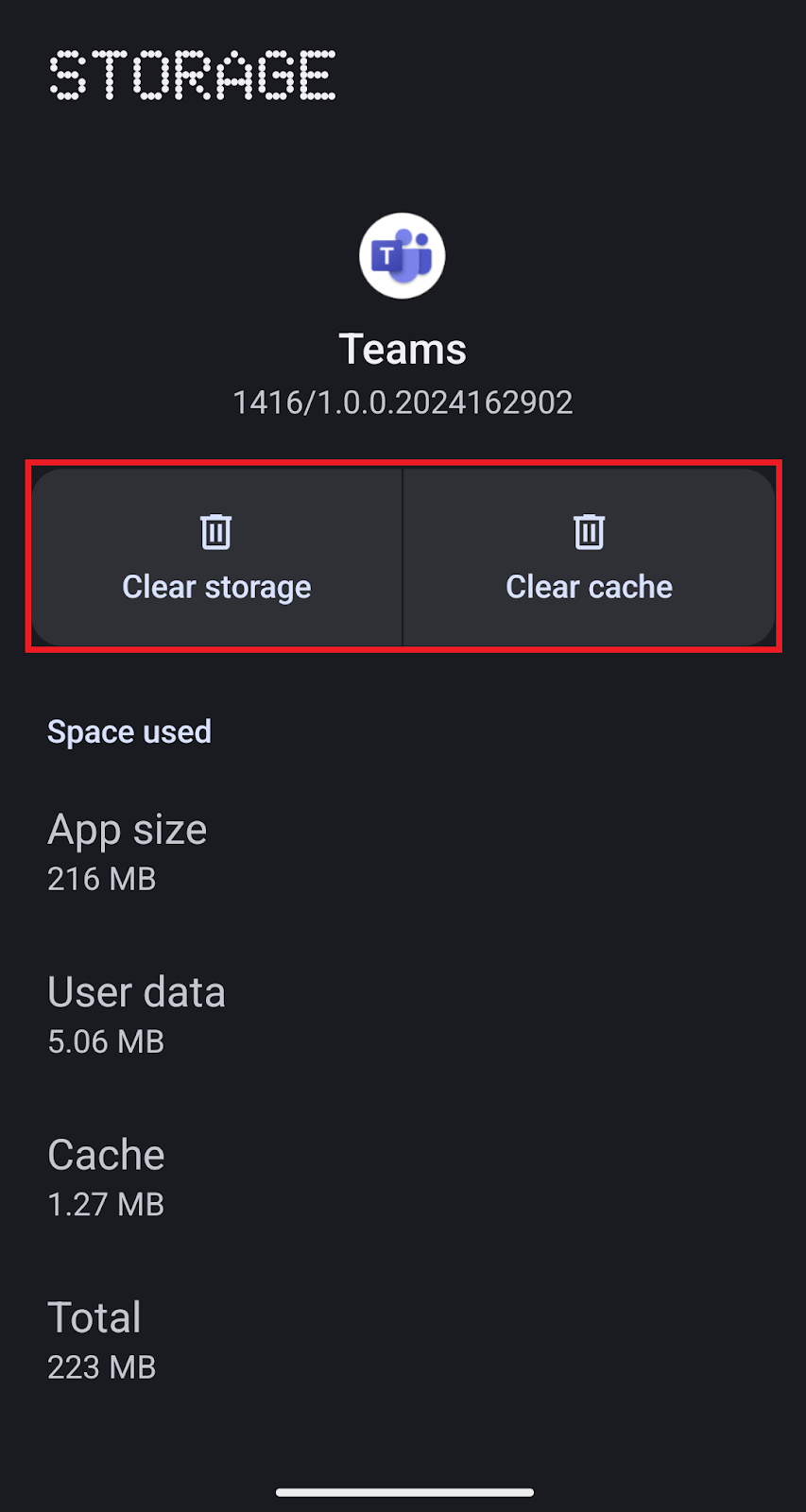
- Clear Cache: In the Teams settings, tap on "Storage," then select "Clear Cache." This deletes temporary files.
- Clear Data: If further issues persist, go back and tap "Clear Data." This resets the app to its initial state, erasing all app data.
- Reopen Teams: Launch Microsoft Teams again. You may need to sign in with your credentials.
Following these steps helps maintain the efficiency of Microsoft Teams on your mobile device. By clearing cache and restarting the app, you can resolve many common issues.
Tips for Maintaining Microsoft Teams Performance
1. Regular Cache Clearing Schedule:
- Set a Routine: Plan to clear the Microsoft Teams cache at least once a month. Doing this prevents the build-up of temporary files that could slow down the app.
- Calendar Reminders: Use calendar reminders to help you remember when it's time to clear the cache. This keeps the process consistent and ensures you're regularly maintaining the app.
2. Monitoring App Performance and Issues:
- Check Performance Regularly: Open Microsoft Teams and observe how it runs. Notice any lag or freezes? If so, it might be time to clear the cache again or investigate further.
- Use Task Manager (Windows) or Activity Monitor (macOS): These tools allow you to see how much CPU and memory Teams is using. High CPU temperature or excessive resource usage can indicate problems that need addressing.
3. Other Maintenance Tips:
- Update Teams: Always ensure you're running the latest version of Microsoft Teams.
- Update System Software: Keep your operating system and other software up to date. This ensures compatibility with the latest Teams features and security patches.
- Restart Regularly: Restart your device periodically. This practice clears memory and can resolve minor glitches.
- Disable Unnecessary Features: Turn off features you don't use, such as background effects in video calls. This can reduce the load on your system.
- Check Network Connection: Ensure a stable and fast internet connection. Poor connectivity can cause performance issues in Teams.
Keeping these tips in mind helps maximize Microsoft Teams' performance, ensuring smooth and efficient use. Regular maintenance prevents problems before they start.
{{rt_cta_ai-convenience}}
How Tactiq Enhances Microsoft Teams Experience

Tactiq is a powerful tool designed to optimize your Microsoft Teams meetings by providing real-time transcriptions, AI-driven insights, and customizable prompts. Here’s how it can improve your workflow:
- Real-Time Transcription: Tactiq delivers live transcriptions during Teams meetings to help you focus on the conversation without worrying about manual note-taking.
- AI Summaries and Insights: After the meeting, Tactiq generates AI summaries with key points and action items, offering clear insights and reducing post-meeting tasks.
- AI Meeting Kits and Custom Prompts: Leverage Tactiq’s AI meeting kits and personalized prompts to streamline follow-up actions, automate tasks, and ensure consistent results.
- Smart Search: Quickly find specific meeting quotes or key details using Tactiq’s smart search, with filters for date, participants, and more.
With these features, Tactiq helps you boost productivity, automate tasks, and make your Microsoft Teams meetings more efficient and organized. Download the free Tactiq Chrome Extension today!
Clearing the Microsoft Teams cache helps resolve slow performance, outdated information, login issues, and app crashes. By doing this regularly, you keep Teams running smoothly and avoid frustrating delays or errors.
On Windows, you can either reset the app through Settings or manually delete cache files from the Teams directory. After clearing the cache, restart Teams and sign in again to enjoy improved performance.
Quit Teams, open Terminal, and enter the provided commands to delete cache directories for either the classic or new version. Restart Teams and sign in to ensure you’re working with fresh data and a more responsive app.
Set a routine to clear the cache monthly, use calendar reminders, and monitor app performance for any lag or freezes. Regular updates, device restarts, and disabling unused features also help you avoid issues and stay productive.
Tactiq provides real-time transcriptions, AI-generated summaries, and smart search, so you can focus on conversations and automate follow-up tasks. You save time, reduce manual note-taking, and make your meetings more actionable and organized.
Related articles





Want the convenience of AI summaries?
Try Tactiq for your upcoming meeting.
Want the convenience of AI summaries?
Try Tactiq for your upcoming meeting.
Want the convenience of AI summaries?
Try Tactiq for your upcoming meeting.