
Best Chrome Audio Capture Tools (2026)
September 27, 2023
September 27, 2023
July 29, 2026
July 29, 2026

Chrome doesn't include a built-in way to record audio from your browser tabs. If you need to save a webinar, capture a podcast, or hold onto an important call, you'll need an extension or web tool built for the job. Here's what this guide covers:
- What a Chrome audio capture tool actually does
- A lighter-weight alternative if your main use case is meetings, not raw audio
- The best Chrome audio capture tools in 2026, compared
- How to enable audio capture in Chrome
TL;DR: What is a Chrome Audio Capture Tool?
A Chrome audio capture tool is a browser extension or web app that records audio playing in a browser tab. Some also capture microphone input, letting you record your own voice alongside tab audio. Once recording stops, the tool saves the result as an MP3 or WAV file for you to keep, edit, or share.
The Faster Way to Handle Meeting Audio
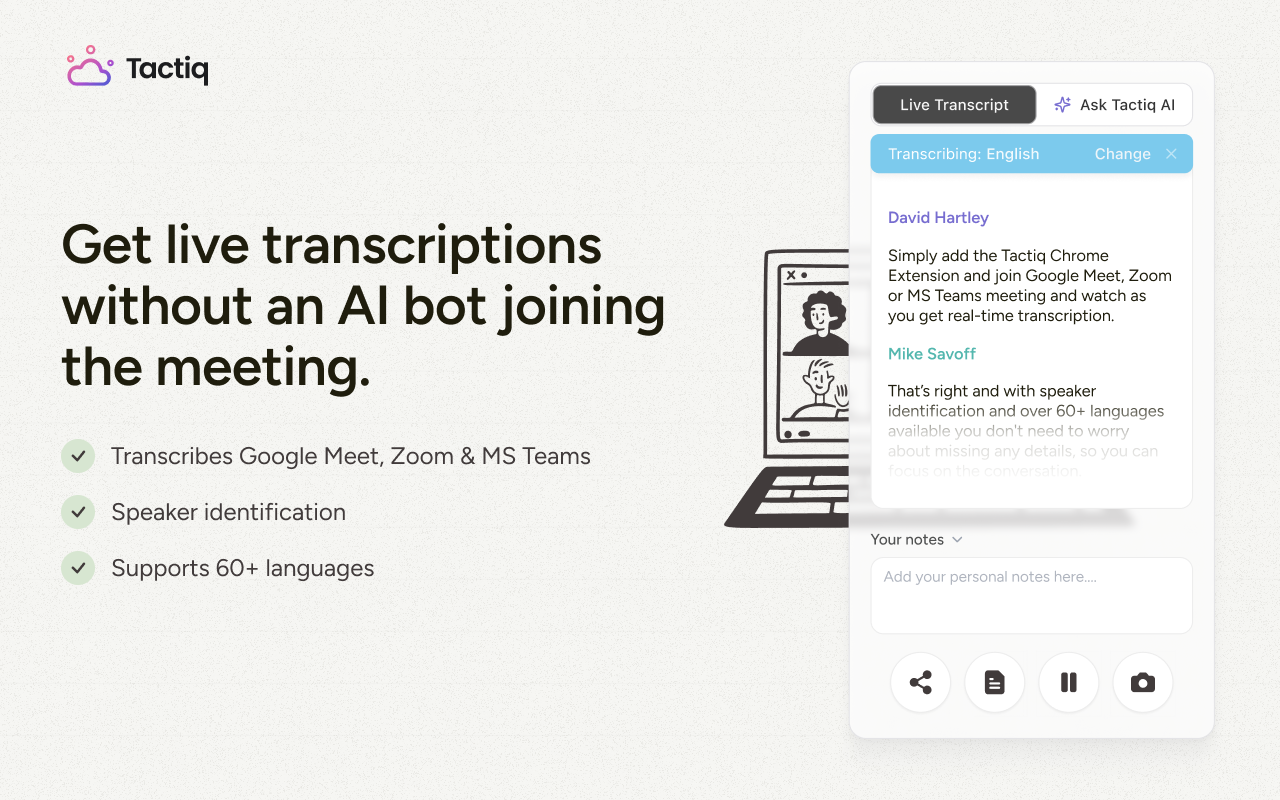
Most people who reach for a Chrome audio capture tool are actually trying to capture a meeting. A report found that 86% of daily video conferencing users want their meetings recorded and archived for later reference. But a meeting isn't just sound. If you record a call, you're still stuck listening back and typing up what mattered.
Tactiq is built for a different job: a Chrome extension focused on transcribing and summarizing meetings, not recording audio. It gives you:
- A searchable, text-based transcript of everything said
- An AI summary with key points and action items
- Support for Zoom, Google Meet, and Microsoft Teams
- Notes ready right when the call ends, no editing required
💡 Pro tip: Worried about meeting participants' privacy? Tactiq never records audio or video, so there's no recording to store or accidentally leak, just a text transcript.
Install Tactiq's Chrome extension to start transcribing your next meeting automatically.
If you run meetings on Teams, here's how to add an AI note taker to Teams. On Zoom, this guide to AI note-taking with Zoom meetings covers the same setup.
Best Chrome Audio Capture Tools in 2026
Here are 8 Chrome audio capture tools worth trying in 2026, covering everything from quick tab recordings to full screen capture with editing.
- Chrome Audio Capture: simple, free tab recorder with mute and multi-tab support
- Screencastify: screen and web audio recorder built for tutorials and classroom use
- Veed: browser-based video editor with recording, subtitles, and AI cleanup tools
- Movavi Screen Recorder: desktop-grade recording software with editing features
- Reverb Record: quick voice notes with instant shareable links
- Mote: voice comments for Google Docs, Slides, and Classroom
- Media Interceptor: one-click tab audio recorder for streaming sites
- Screenity: free, open-source screen and tab recorder with annotation tools
1. Chrome Audio Capture
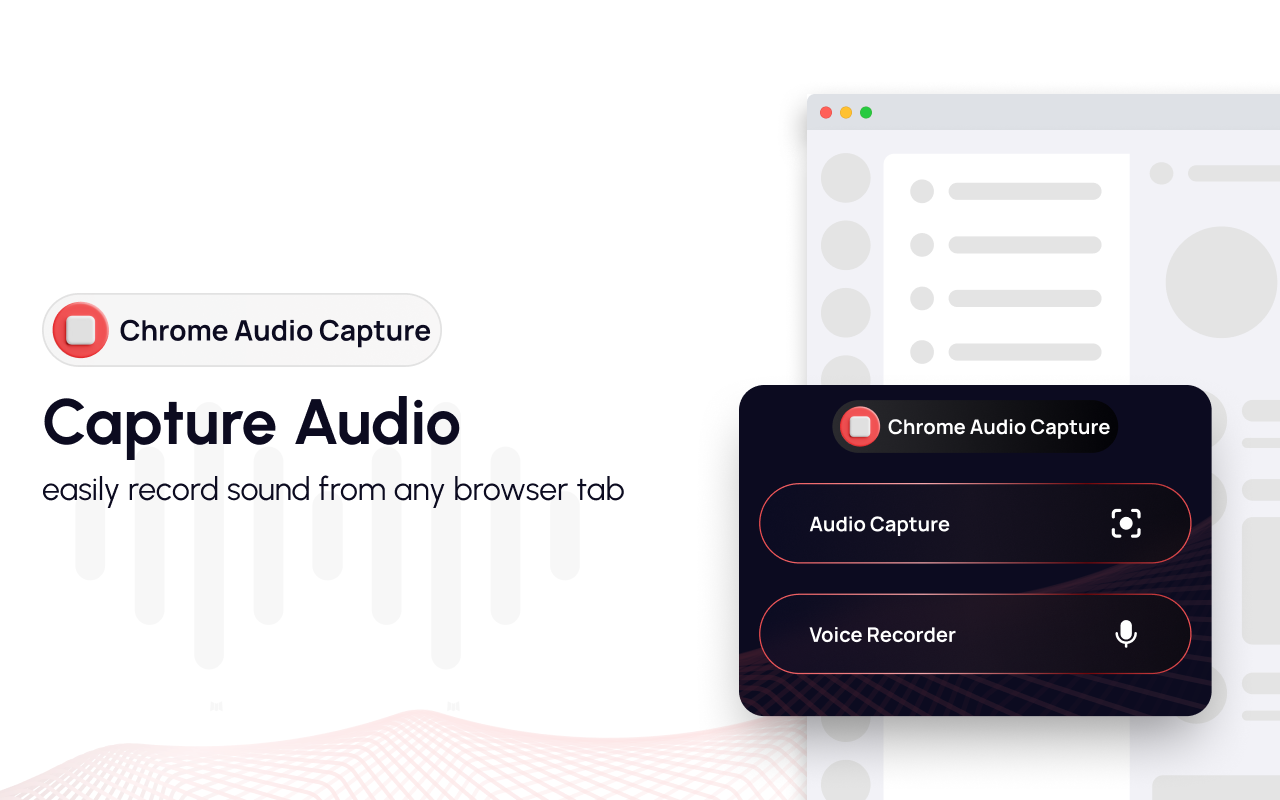
Chrome Audio Capture is a free extension that records any sound playing in your browser, from music to meetings to voice memos. Files are saved locally on your device with no personal data collection. Click the extension icon in your toolbar to start and stop recording.
Pros:
- No limit on recording length
- Stores files locally instead of on external servers
- Simple one-click start and stop
Cons:
- Exports only to WEBM by default, so you'll need an extra step to convert to MP3
- Basic feature set with no advanced editing tools
Supported OS: In-browser (works on any OS running Chrome)
Price: Free
2. Screencastify
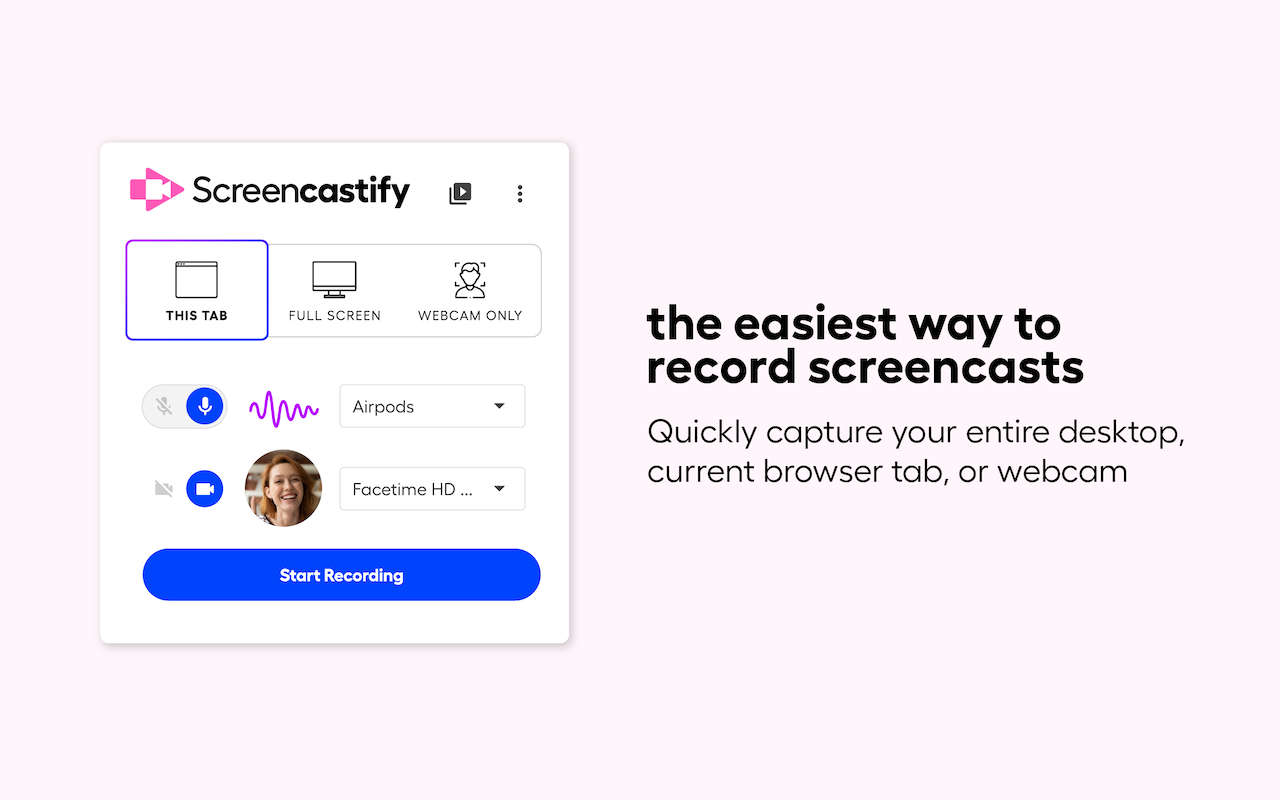
Screencastify is a free screen recorder for Chrome that lets you capture your screen, browser tab, or webcam, then edit and share the result in seconds. It saves recordings to Google Drive for instant sharing.
Pros:
- Records screen, tab, or webcam without extra software
- Basic editing and sharing built into the extension
- Widely used, with millions of installs on the Chrome Web Store
Cons:
- Free plan caps you at 10 videos total, each up to 30 minutes
- Free videos carry a Castify watermark
Supported OS: In-browser (Chrome or Edge)
Price: Free plan available. Starter plan is $7/user/month billed annually ($19 monthly). Pro is $10/user/month billed annually ($25 monthly), with longer recording limits and AI features.
3. Veed
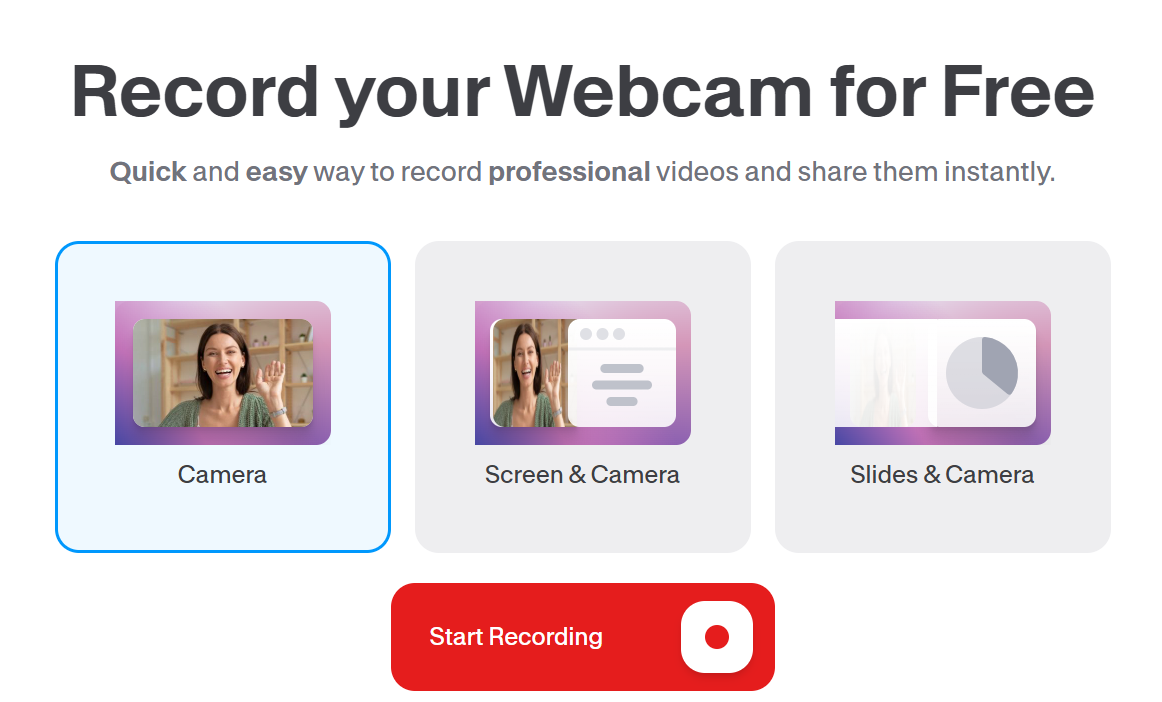
Veed is a browser-based screen and webcam recorder that runs entirely from the browser; no software or sign-in required to start recording. It captures screen, webcam, or both at once, with unlimited time and unlimited retakes.
Pros:
- No sign-in needed to start recording
- Unlimited recording time and retakes
- Records screen and webcam audio simultaneously
- One-click access to Magic Cut and basic editing after recording
Cons:
- A free account is required to share or save your recording
- Watermark-free export and premium AI editing tools require a paid plan
Supported OS: In-browser (Chrome recommended)
Price: Free to record and use basic tools. Paid plans (Creator, Pro, Studio) unlock watermark-free export and full AI editing; check Veed's pricing page for current rates.
4. Movavi Screen Recorder
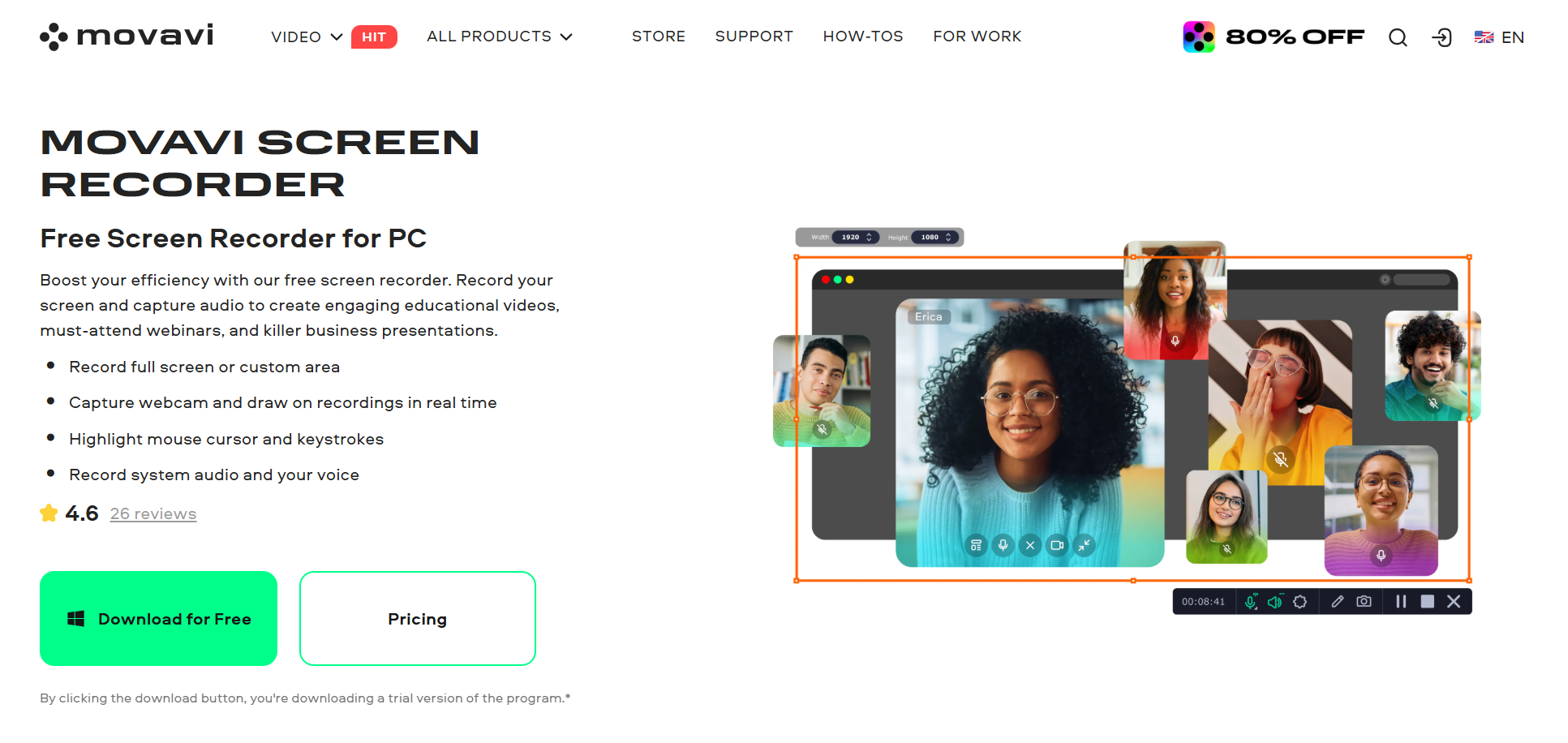
Movavi Screen Recorder is a desktop application for Windows and Mac, not a Chrome extension. It's worth including here because people often pair it with browser-based capture when they need more control. It records sound, screen, microphone, and webcam together.
Pros:
- Records screen, system audio, mic, and webcam simultaneously
- No watermark, even on the monthly plan
- Paid plans include full Movavi Video Editor access
- 14-day money-back guarantee on all purchases
Cons:
- Requires installing desktop software, unlike the other tools on this list
- No permanent free tier, only a 7-day trial
Supported OS: Windows, macOS
Price: Plans start at $19.95/month, with an annual plan and a bundle option also available.
5. Reverb Record
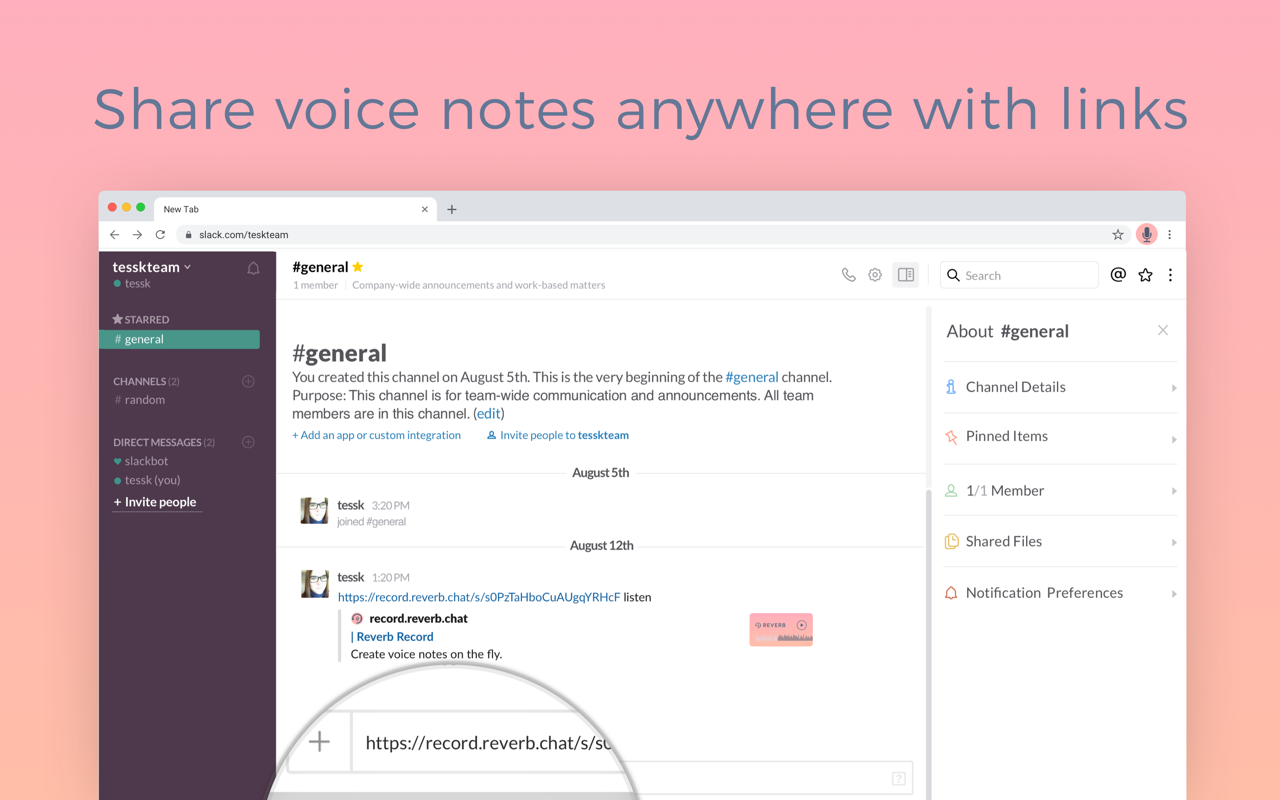
Reverb Record is a Chrome extension for recording and sharing quick voice notes, no account required. It inserts directly into Google Docs, Slides, Sheets, Forms, and Classroom, and generates shareable links for email, forums, or sites like Notion.
Pros:
- No registration needed to record or share
- Direct integration with Google Docs, Slides, and Classroom
- Shareable links work without the recipient needing an account
Cons:
- Transcribed recordings are a Premium-only feature
- Built for short voice notes, not long-form recording or editing
Supported OS: In-browser (Chrome only)
Price: Free to use. Premium unlocks transcription; Premium starts at $9/month.
6. Mote
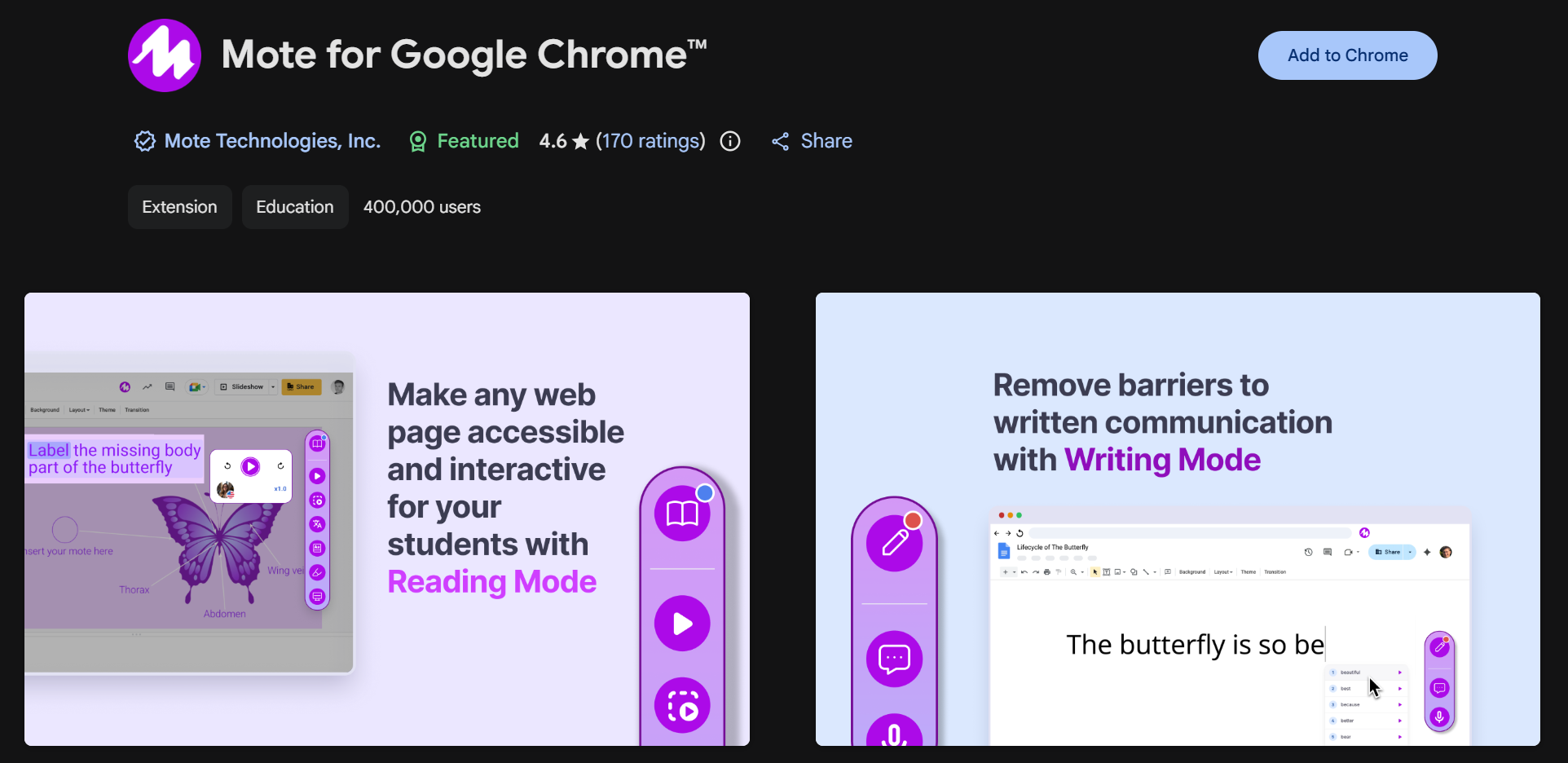
Mote is an AI-powered Chrome extension built for reading, writing, and voice feedback across Google Workspace. Voice recording is one part of it: you can record, auto-transcribe, and share a voice note, or have Mote read text back in natural AI voices in 50+ languages.
Pros:
- Combines voice recording with read-aloud, translation, and writing support in one extension
- Works inside Google Docs, Slides, Canvas SpeedGrader, and more
- Built-in support for dyslexic, ADHD, and multilingual learners
Cons:
- Aimed squarely at online classes and education, less useful outside classroom or school settings
- Free plan caps you at 20 recordings a month, each under a minute
Supported OS: Works on any desktop OS with Chrome
Price: Free plan available. Individual plan is $59.40/year for unlimited notes and longer recording length.
7. Media Interceptor
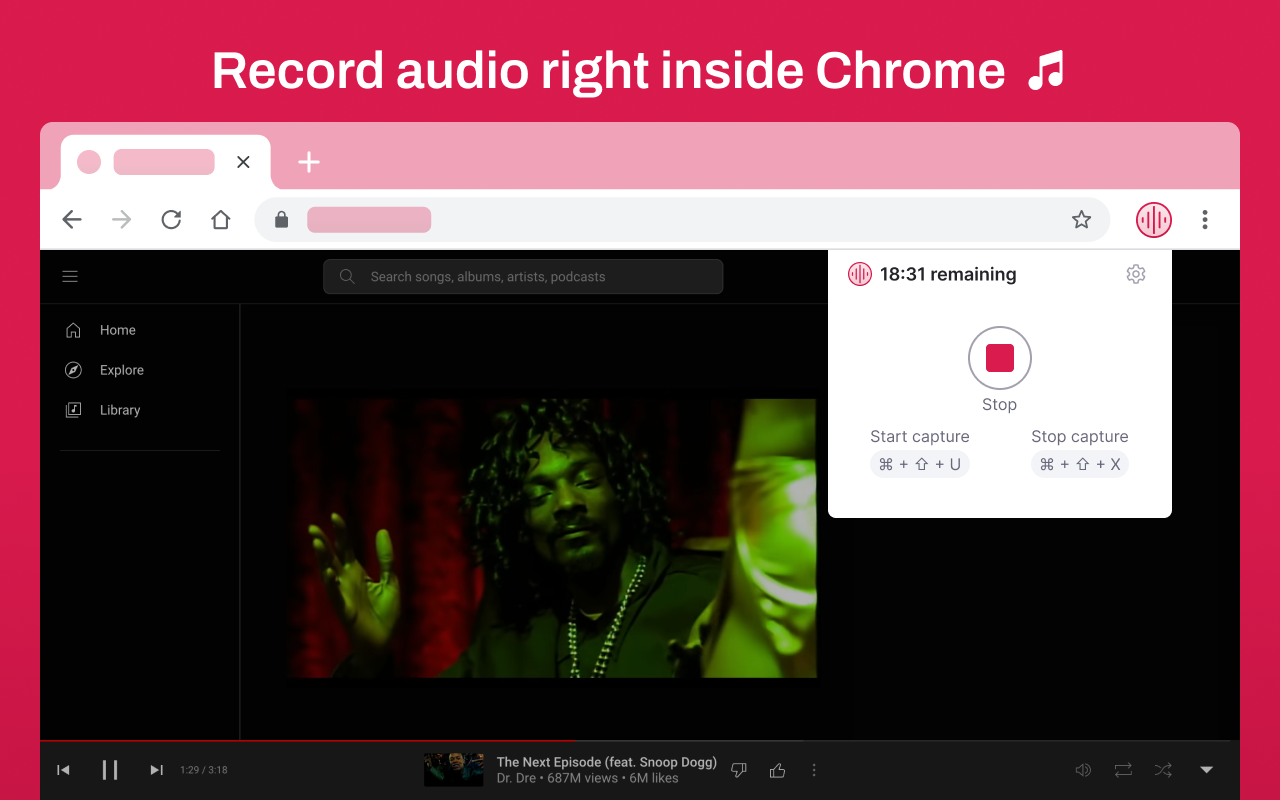
Media Interceptor records audio from any active browser tab with one click. No account or setup required. It works with YouTube, Spotify, podcasts, and most other streaming sites.
Pros:
- No account or sign-up needed to start recording
- Works across YouTube, Spotify, podcasts, and other streaming sites
- Keyboard shortcuts for quick start and stop
- Developer states it doesn't collect user data
Cons:
- Only records tab audio, not microphone input or system-wide sound
- No editing tools built in
Supported OS: In-browser (works on any OS running Chrome)
Price: Free
8. Screenity
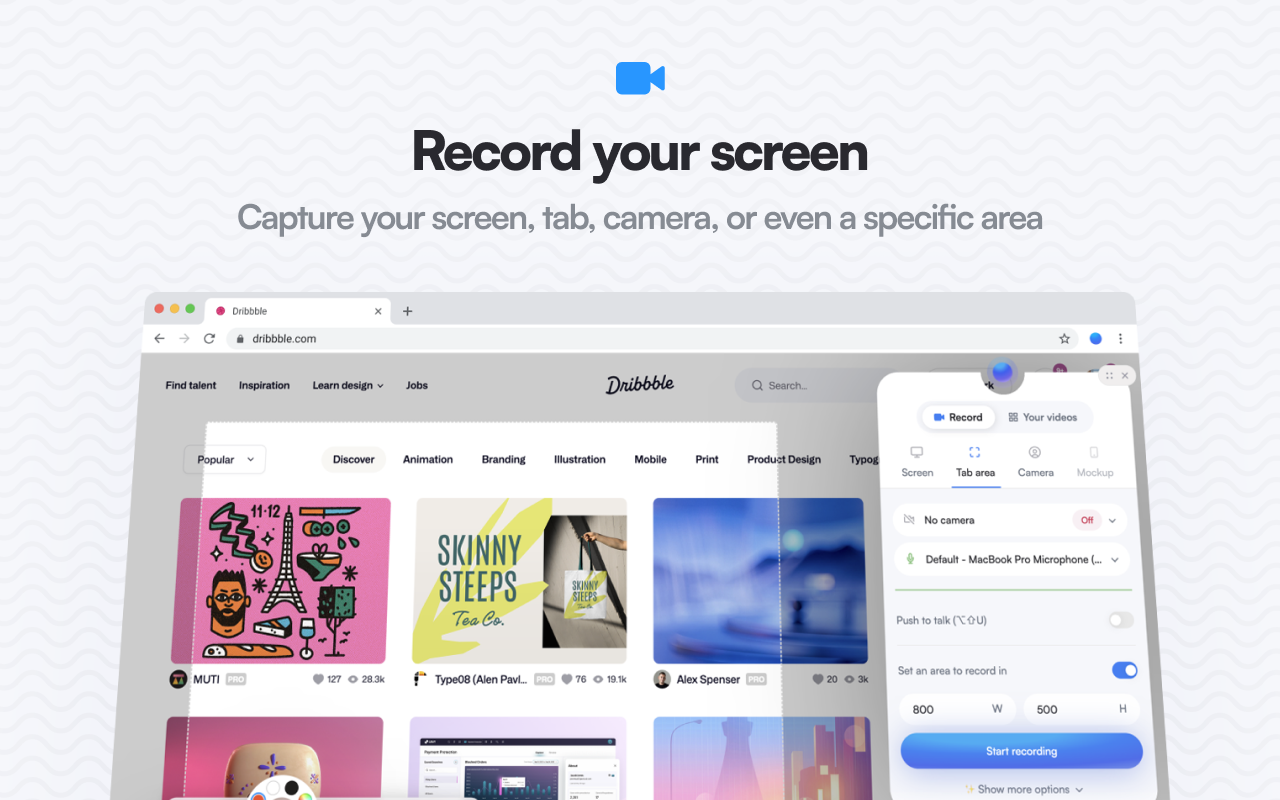
Screenity is a free, open-source screen recorder that captures your tab, a specific area, your whole desktop, or your camera, with microphone or internal audio. It includes live annotation tools like drawing, text, and blur, all with no sign-in required.
Screenity's intuitive interface makes the recording process simple: pick your source, hit record, and annotate live.
Pros:
- Fully free extension with no watermark, no time limit, no sign-in
- Open-source, so the code is publicly reviewable
- Live annotation while recording, including blur for privacy
- Records tab, desktop, app, or camera in one tool
Cons:
- No built-in transcription or AI summary features
- Some users report reliability issues on longer recordings, including export failures
Supported OS: In-browser (Chrome, Edge, Brave, Arc, ChromeOS)
Price: Free. An optional paid Screenity Pro adds cloud storage, auto-captions, and multi-scene editing for the separate hosted editor.pr
How to Enable Audio Capture in Chrome
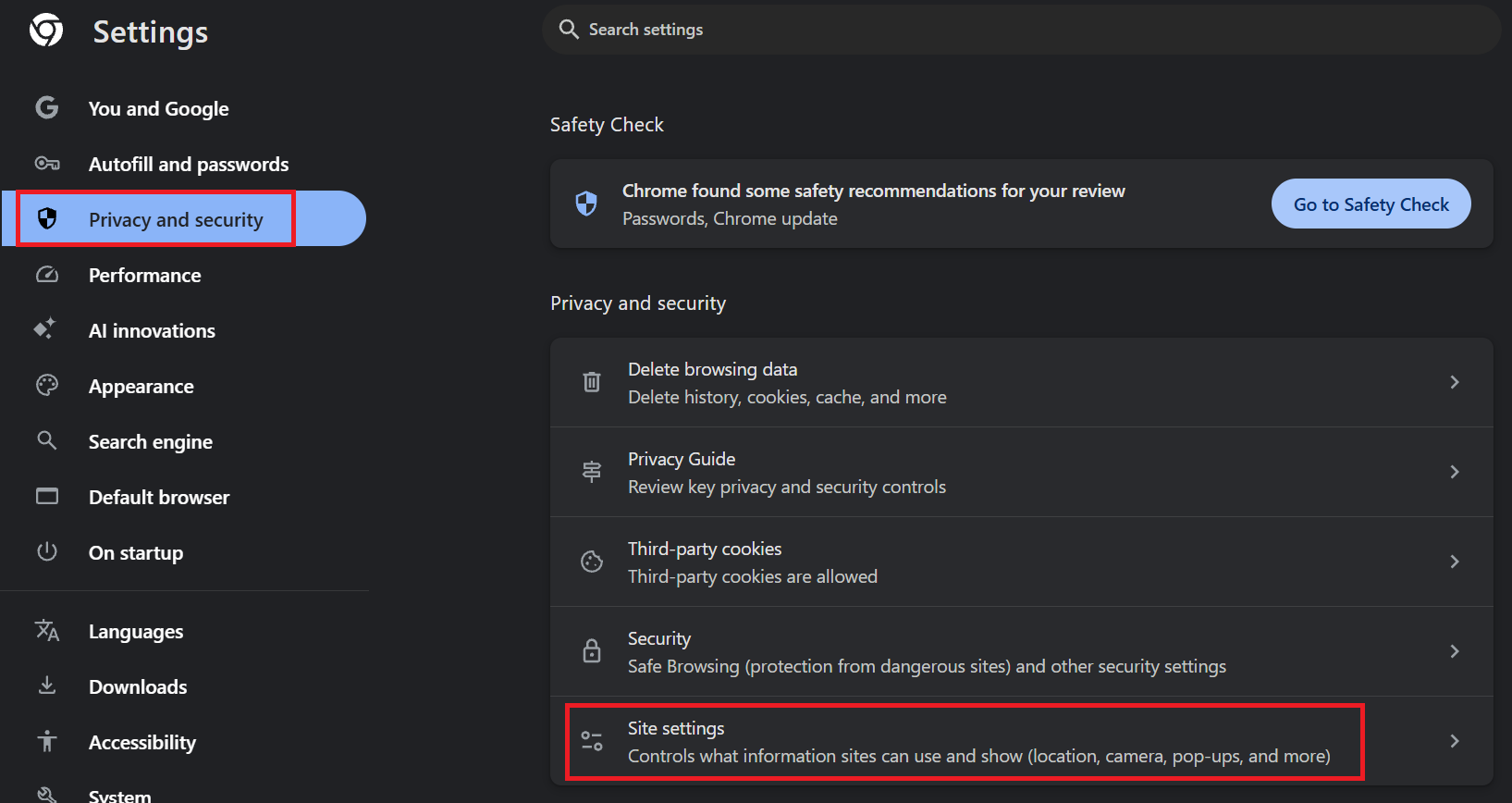
Most Chrome audio capture tools need microphone access to work. Here's how to check and enable it:
- Open Chrome and click the three-dot menu in the top right corner.
- Select Settings, then click Privacy and security in the left sidebar.
- Click Site settings, then scroll down to Microphone under Permissions.
- Under Default behavior, make sure the option Sites can ask to use your microphone is selected.
- If a specific site is blocked, find it under Not allowed to use your microphone and switch its permission to Allow.
Once microphone access is enabled, install your chosen extension from the Chrome Web Store and follow its own setup steps to start recording.
Choosing the Right Chrome Audio Capture Tool
The right tool depends on what you're actually recording. For quick tab audio, Chrome Audio Capture or Media Interceptor gets the job done with no setup.
For screen recordings with editing, Screencastify, Veed, or Screenity cover most needs, free or paid.
If you work inside Google Workspace, Reverb Record and Mote fit naturally into Docs, Slides, and Classroom. And if you need dedicated recording software outside the browser, Movavi Screen Recorder is built for that.
Whether you're capturing streaming audio, system sounds, or saving music for later, look for key features like format flexibility and high quality audio output before choosing a tool. Test the free tier first. Most of these tools cover casual use without any cost at all.
A browser extension or web app that records audio playing in a tab, from your microphone, or both, saving it as an MP3 or WAV file.
Go to Settings, then Privacy and security, then Site settings, then Microphone. Set the default to allow sites to ask for access.
Screencastify and Screenity both cover screen recording well. Screencastify suits tutorials, while Screenity is free and open-source.
Tactiq transcribes meetings live instead of recording audio, giving you a searchable transcript and AI summary with no file to edit afterward.
Tactiq transcribes Zoom, Google Meet, and Microsoft Teams calls in real time, then generates an AI summary with key points and action items automatically.



Want the convenience of AI summaries?
Try Tactiq for your upcoming meeting.
Want the convenience of AI summaries?
Try Tactiq for your upcoming meeting.
Want the convenience of AI summaries?
Try Tactiq for your upcoming meeting.